

Why I Stay in Sicily for the Winter
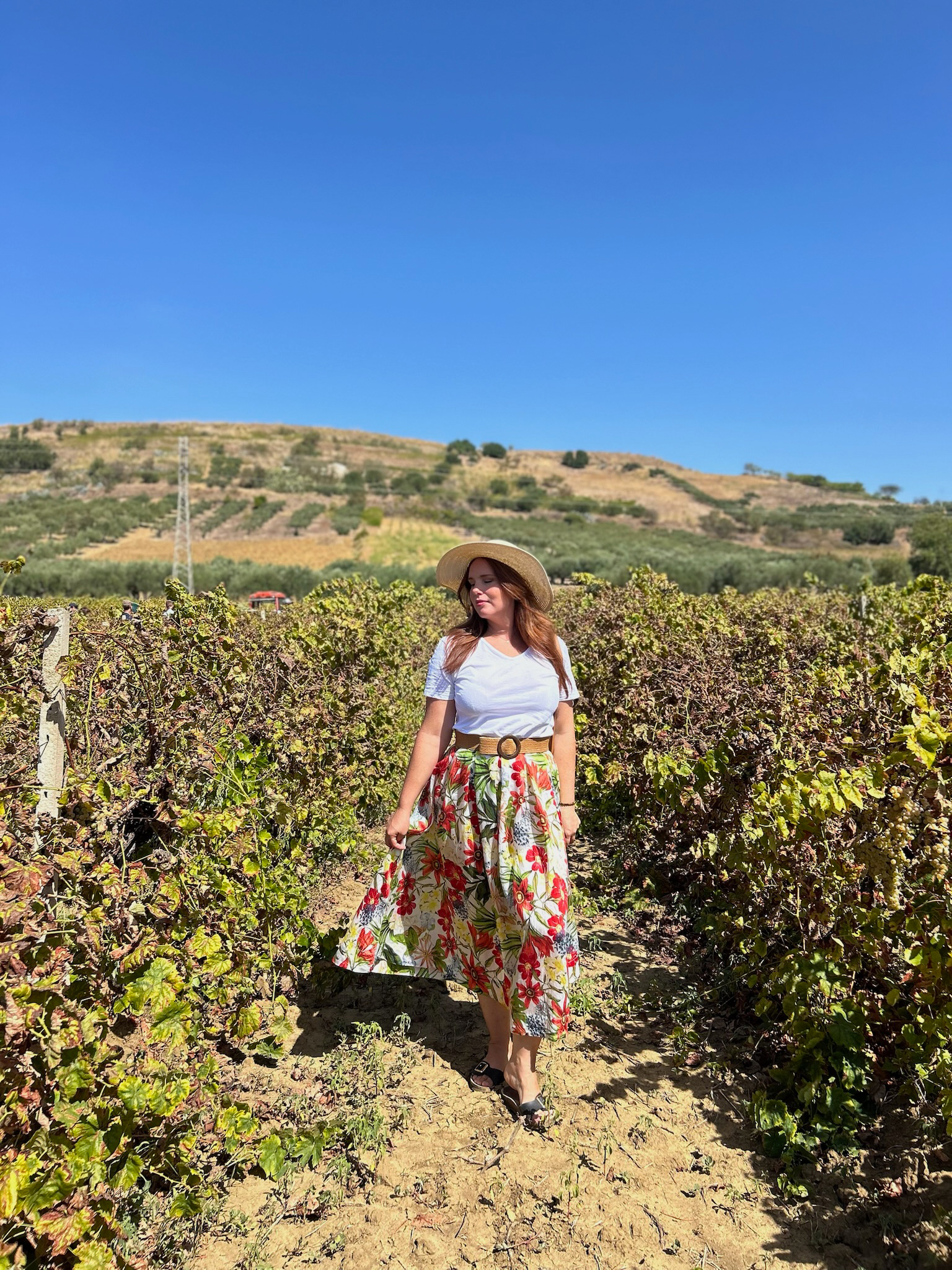
A love letter to citrus season

As a Canadian living in Sicily, I sometimes smile at how unremarkable citrus once felt to me.
Growing up, lemons and oranges were everywhere, from flavoured tea and candies to heaps of perfect lemons and oranges at the grocery store, but nothing special really. In my mind, they existed mostly as metaphors.
For instance, my eighth-grade teacher loved to say, “When life gives you lemons, make lemonade.”
And at Christmas, there was the annual citrus drive, selling oranges to fund school activities or support community causes.
Even the language around citrus felt dismissive to me.
A faulty car was “a lemon.”
Something disappointing. Something defective.
Citrus was familiar. Useful. Ordinary.
I never once thought of it as something precious.
That perception began to change during my first winter in Sicily...

A first winter that stayed with me
While visiting the Valley of the Temples in Agrigento for the first time, I wandered just beyond the main paths and found myself in a quiet citrus grove near the sea.
It wasn’t manicured or ornamental. It felt alive.
Different shapes. Different fragrances. Trees heavy with fruit I didn’t recognize, all growing together as if that diversity were the most natural thing in the world.
That moment stayed with me. And after four winters in Sicily, it’s a feeling that continues to deepen rather than fade.
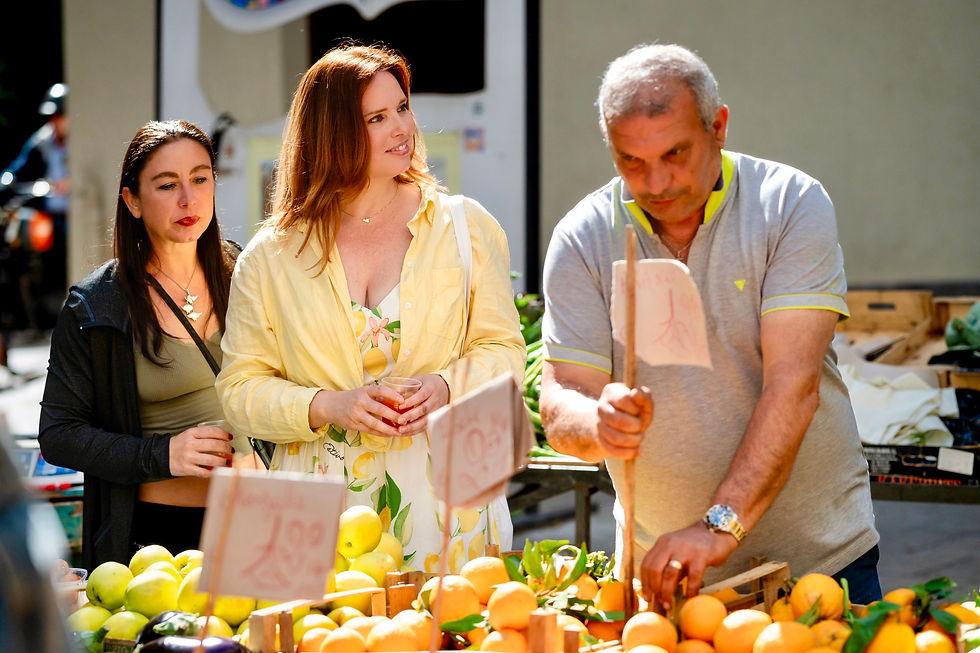
Winter in Sicily, as I’ve come to know it
People often ask why I stay in Sicily during the winter.
Many foreigners working in tourism leave. Even Sicilians travel elsewhere because it’s not beach season. In fact, the pace shifts.
Winter in Sicily reveals something summer never does.
The days soften.
The light changes.
And slowly, you begin to notice that the island smells like citrus.
Lemons stacked in wooden crates at the markets.
Mandarins sold with their leaves still attached.
Bitter orange trees lining city streets, perfuming entire neighbourhoods.
Winter doesn’t feel sparse here. It feels abundant — just quieter. More intimate.
This is why I stay.

Citrus season in Sicily
Winter is the heart of citrus season in Sicily, and after living through it year after year, it’s the season that best explains how Sicilians cook, shop, and live.
Kitchens naturally shift to follow what the land is offering. Desserts become brighter. Savoury dishes lean into sweet and bitter balance. Preserving becomes part of daily life.
Sicily is home to hundreds of ancestral citrus varieties, many grown on small family lands using traditional, non-GMO agriculture. These fruits aren’t bred for uniformity or long-distance transport. They’re cultivated for aroma, acidity, sweetness, and character.
At the markets, conversations go beyond price. Vendors talk about orchard, altitude, even which direction the trees face. Citrus isn’t just an ingredient here. It’s identity.

How citrus shaped Sicily’s landscape
Living in Sicily changes how you see the land itself.
Citrus arrived over a thousand years ago with Arab influence, alongside irrigation systems that permanently reshaped the island. By the 18th and 19th centuries, lemons and oranges had become powerful commodities.
Lemon juice was essential for preventing scurvy. Peels flavored sweets and liqueurs. Blossoms were used in perfume. Entire estates were built around citrus groves, and wealth flowed quietly from the land.
Once you understand this history, you start to recognize citrus everywhere — in walled gardens, old villas, and the way land is divided and cared for.
That context is beautifully echoed in the Netflix series The Leopard (Il Gattopardo), which captures a Sicily where agriculture, power, and place are deeply intertwined.
Watching it in winter, after living here, adds another layer.
Stories become places.
Places become personal.
Preserving citrus in Sicilian cooking
Because citrus is seasonal, Sicilian cooking has always been about making it last.
Preserving here isn’t nostalgic or decorative. It’s practical. Respectful. A way of extending the season rather than rushing through it.
Jars lining shelves.
Marmalade simmering slowly.
A quiet ritual repeated each winter.
Over time, preserving citrus became my way of participating in the season — not just enjoying it, but carrying it forward.

How marmalade is used in Sicily
Marmalade in Sicily goes far beyond toast.
You’ll find it folded into cookies, crostate, and tortas. Layered into cakes. Paired with ricotta and aged cheeses. Brushed over roasted chicken. Glazed onto fish.
That sweet-bitter balance shows up everywhere once you start paying attention.
And until you can experience a Sicilian winter for yourself, this is the recipe I share most often, a simple orange marmalade that captures citrus season at its peak.

Easy Sicilian Orange Marmalade
This traditional Sicilian orange marmalade is how I preserve winter citrus at home.
Makes about 8 small jars (250 ml each)
Choosing Your Oranges
For the best flavour, use sweet oranges with good acidity and fragrant skins. In Sicily, I often use Tarocco or Navelina early in the season, and Valencia later in winter. If you can find organic fruit, even better. Avoid very thick-skinned or overly bitter oranges unless you’re intentionally making a bitter-style marmalade.
Ingredients
• About 8 sweet oranges (Tarocco, Navelina, Valencia, or Navel), washed
• 3 cups cold water
• 5 cups sugar
• Juice of 1 lemon
• ½ cup dry Marsala wine (optional)
• 1 cinnamon stick
• 1 teaspoon flaky sea salt
Method

Prepare the fruit
Using a paring knife or vegetable peeler, remove the outer layer of orange peel, avoiding as much white pith as possible. Slice the peels into fine slivers and set aside.

Slice the oranges
Cut the oranges into ¼-inch slices, remove seeds, stack, and quarter.

Begin cooking
Place oranges in a large stainless-steel pot. Add lemon juice and cold water. Bring to a boil for about 10 minutes.

Simmer and flavour
Reduce heat to a lively simmer. Add sugar, reserved peels, Marsala, and cinnamon. Simmer uncovered for 30 minutes, stirring frequently, until glossy and thick.
Sterilize jars
Place clean jars and lids in a 120°C / 250°F oven for 10 minutes.

Finish the marmalade
Remove cinnamon stick. Bring marmalade to a final boil. Stir in flaky sea salt and cook a few minutes more.
Jar and seal
Fill hot jars, leaving ½ inch space. Seal immediately. Let cool fully.
Storage
Once opened, refrigerate. Unopened jars will keep at least 6 months in a pantry.
Variations
• Blood Orange Marmalade: Deeper flavour, less sweet, beautiful ruby colour
• Bergamot Marmalade: Use half sweet oranges, half bergamot for aromatic bitterness
• Lemon-Orange Marmalade: Brighter, sharper, ideal with cheese
• Spiced Winter Marmalade: Add star anise or crushed coriander seeds
Winter in Sicily has taught me to notice seasons differently, not as something to endure, but something to participate in.
If citrus means something to you — a memory, a place, a tradition — I’d love to hear about it. And if this post brought Sicily a little closer, feel free to share it with someone who loves food, travel, or the quieter side of winter.
Warmly,
Priscilla
Your Gems of Sicily Food & Wine Expert · Tour Director



Comments